
Workplace Falls From Height: Rights For Orlando Construction Workers
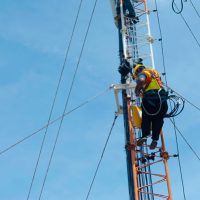
What goes up must, according to physics and unfortunately construction sites, sometimes come down faster than intended. Scaffolding, roofs, ladders and lifts define much of the workday for those who build central Florida, and each elevated task carries a risk that rarely gets discussed until something goes wrong. If you work in construction in Orlando or Winter Park, understanding your rights after a fall from height is not optional knowledge. It is essential.
Why Falls Remain Construction’s Most Persistent Hazard
One might assume that after decades of safety regulations, ladders with warning labels and mandatory harnesses, falls would have faded as a serious threat. They have not. Falls from height continue to rank among the leading causes of death and injury in the construction industry nationwide, year after year. The federal Occupational Safety and Health Administration requires that construction workers exposed to a drop of six feet or more be protected through guardrails, safety nets or personal fall arrest systems under 29 CFR 1926.501, one of the most frequently cited safety standards in the country. That a rule this well established remains so often violated raises an obvious question: if the law is clear, why do so many falls still happen?
Common Culprits Behind a Fall
The reasons tend to repeat themselves across job sites. Missing or improperly anchored harnesses. Guardrails that were removed for a task and never replaced. Scaffolding erected in haste, or ladders placed on uneven ground. Sometimes the pressure to finish a project on schedule quietly overrides the pause that proper safety setup requires. Whatever the cause, when a worker falls because required protections were absent or defective, questions of responsibility follow closely behind the ambulance.
What Injured Workers Should Understand
Florida’s workers’ compensation system generally serves as the primary path to benefits after a workplace injury, covering necessary medical treatment and a portion of lost wages regardless of who was at fault. But a fall from height does not always fit neatly inside that system alone. When a subcontractor, equipment manufacturer or property owner other than the direct employer contributed to unsafe conditions, an injured worker may have grounds to pursue a separate claim against that third party. Sorting out which avenues apply, and within what deadlines, is where the situation tends to become genuinely complicated for someone recovering from a serious injury.
Questions Worth Asking After a Fall
Was fall protection equipment provided and properly maintained? Had a hazard been reported and ignored? Was the injury caused by a party other than the employer? These are not questions an injured worker should have to answer alone while also healing from broken bones, spinal trauma or worse.
Contact Our Firm
A fall from height can end a career and upend a family’s finances in the time it takes to hit the ground. If you or someone you love has been hurt in a construction fall, our Orlando construction accident attorneys at Hornsby Law Group are ready to review what happened and explain the options available to you. We encourage you to reach out to Hornsby Law Group today to schedule a consultation.
Source:
osha.gov/laws-regs/regulations/standardnumber/1926/1926.501
