

When Mowing Turns Risky: What Landscaping And Groundskeeping Workers Should Know About Workers’ Comp
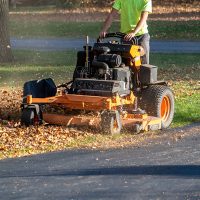
Ask most people to picture a dangerous job, and landscaping probably isn’t the first image that comes to mind. Yet behind the neatly trimmed hedges and freshly cut lawns of Winter Park lies a profession with a surprisingly steep injury rate. Heavy machinery, extreme heat, ladders, chemicals, and tight deadlines all combine to make groundskeeping far riskier than its quiet reputation suggests. If you work in this field, understanding your rights under Florida’s workers’ compensation system is worth more than a passing thought.
A Hazardous Trade Hiding in Plain Sight
The U.S. Department of Labor has flagged the landscaping industry as one worth watching closely. Between 2011 and 2021, more than a thousand workers in landscaping and groundskeeping lost their lives on the job nationwide, with 142 fatalities recorded in 2021 alone. The causes tend to repeat themselves: moving machine parts, heat exposure, falling trees, and toxic chemical contact. None of these hazards disappear simply because the work looks routine from the sidewalk.
What Counts as a Compensable Injury
Florida law does not require an injury to come from a single dramatic accident to qualify for benefits. Under Florida Statute Section 440.09, an employee is generally entitled to compensation for an accidental injury arising out of work performed in the course and scope of employment. That standard can cover more than the obvious mower mishap or ladder fall. Consider some of the less cinematic but still compensable scenarios landscaping workers may face:
- Heat exhaustion or heat stroke from prolonged outdoor exposure
- Repetitive strain injuries from operating trimmers, blowers, or mowers for extended hours
- Chemical exposure from pesticides, herbicides, or fertilizers
- Lacerations or amputations involving blades and power equipment
- Falls while trimming trees or working from elevated platforms
Reporting Matters More Than People Realize
One detail that often trips up injured workers is timing. Florida generally expects an employee to notify their employer of a workplace injury within a limited window after it occurs. Waiting too long, even with a legitimate excuse, can complicate a claim. Documentation matters just as much. A worker who feels dizzy from heat one afternoon might be tempted to shrug it off and finish the shift, but noting the symptoms and reporting them promptly can make a meaningful difference later.
It is also worth remembering that seasonal and part-time landscaping employees are generally covered under Florida’s system just like full-time crew members, though certain smaller agricultural operations may fall outside standard coverage. The details vary by employer size and structure, which is part of why these claims can get complicated quickly.
Questions Worth Asking
Curiosity is a landscaper’s best friend when it comes to workplace safety. Who inspects the equipment before each shift? What is the protocol for hydration breaks in July? Is there a clear chain for reporting an injury without fear of retaliation? Workers who ask these questions before an injury happens tend to navigate the aftermath with far less confusion.
If you have been hurt while mowing, trimming, planting, or hauling equipment for a living, our Winter Park workers’ compensation attorneys at Hornsby Law Group are here to help you understand your options. We know the landscaping industry carries risks that don’t always get the attention they deserve, and we’re ready to sit down and talk through what happened. Reach out to Hornsby Law Group today to schedule a consultation.
Sources:
dol.gov/index.php/newsroom/releases/osha/osha20230612-0
flsenate.gov/Laws/Statutes/2024/440.09
